


Dynamo International calls for European policies that truly reach the most excluded people
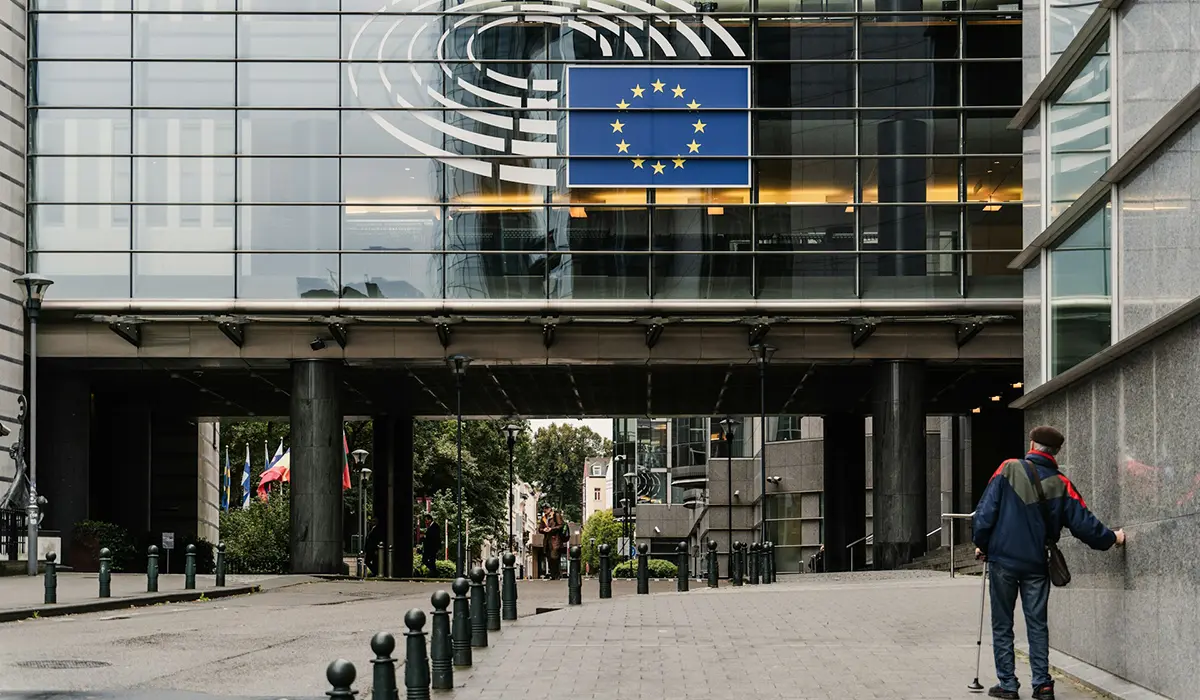
On 5 May 2026, Dynamo International took part in the Strategic Dialogue organised by the European Commission on the first orientations for the 2027 work programme of the EaSI strand of the ESF+ (Employment and Social Innovation, European Social Fund Plus). More than 40 representatives of European civil society organisations joined the discussion on the European Union’s social priorities.
The European Commission confirmed that its priorities are aligned with its recent political orientations, particularly around the future European strategy to combat poverty, the Union of Skills, quality jobs, social inclusion, social protection, housing and support for civil society organisations.
The Commission also identified several key priorities for 2027, including support for the anti-poverty strategy, follow-up to the European Child Guarantee, action against homelessness, and the involvement of people directly concerned in public policies. The programme also foresees exchanges with stakeholders and specific actions related to minimum income, child poverty and social exclusion.
Relevant priorities, but major challenges to address
Civil society organisations broadly welcomed the relevance of the priorities presented, which reflect realities observed on the ground. However, several major challenges were highlighted.
First, a persistent gap remains between policies and their concrete implementation: measures are often still too far removed from lived realities and struggle to reach the most vulnerable groups.
Second, funding was at the heart of the concerns raised. Many organisations stressed the need for dedicated and sufficient funding to support action against poverty and homelessness, social inclusion, and support for migrants. Several interventions also pointed to the lack of access to European funding for local grassroots initiatives.
Finally, the essential role of civil society organisations was reaffirmed, in particular through the need to guarantee stable funding, such as operating grants, so that they can fully contribute to the implementation of European policies.
A necessity: truly reaching the most excluded people
In this context, Dynamo International recalled that European social policies can only be effective if they truly reach those who are furthest away from existing services and support systems.
For Dynamo International, these priorities must now be translated into concrete European policies and funding. The fight against poverty cannot be limited to access to employment. It must also address the root causes of exclusion: housing, mental health, access to rights, income, social isolation and the breakdown of trust with institutions.
Street social work is an essential response to these challenges. This approach makes it possible to reach people who are excluded from traditional services, build trust, and support them progressively towards access to their rights, education, health, housing and employment.
Dynamo International’s message is clear: to reach the most vulnerable people, the European Union must recognise, support and finance outreach approaches, street social work and the civil society organisations that connect public policies with lived realities.
Dynamo International’s intervention
(English version as delivered during the meeting)
Thank you for the opportunity to contribute.
We welcome the strong focus on social fairness, the Anti-Poverty Strategy, and quality jobs. These are very important priorities in the current context.
However, from our field experience, we see a gap between policies and reality. Many vulnerable people—especially young people facing poverty, mental health issues, or social exclusion—are still not reached by existing measures.
We would like to highlight three points.
First, the Anti-Poverty Strategy should not focus only on employment, but also address deeper inequalities, including access to housing, services and adequate income.
Second, when it comes to skills and employment, accessibility is essential. Lifelong learning opportunities should be designed in a way that includes people who are already disconnected from education or the labour market.
Third, we believe it is very important to strengthen outreach approaches, such as street work and local community services, which are often the only way to reach the most excluded groups.
Finally, civil society organisations have a key role in connecting policies with real-life situations, and their involvement should be strengthened.
Thank you.
Stefania Gorzo